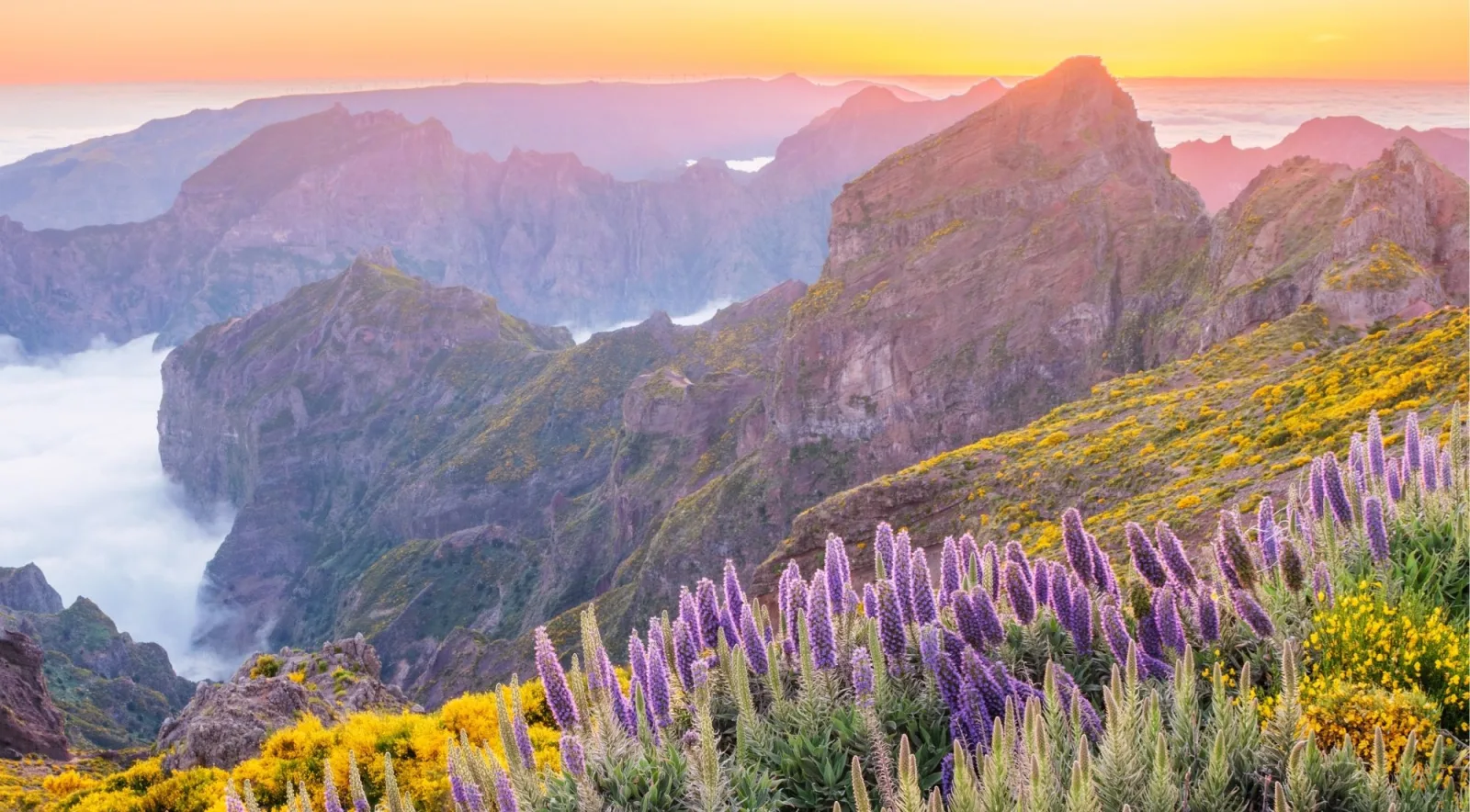
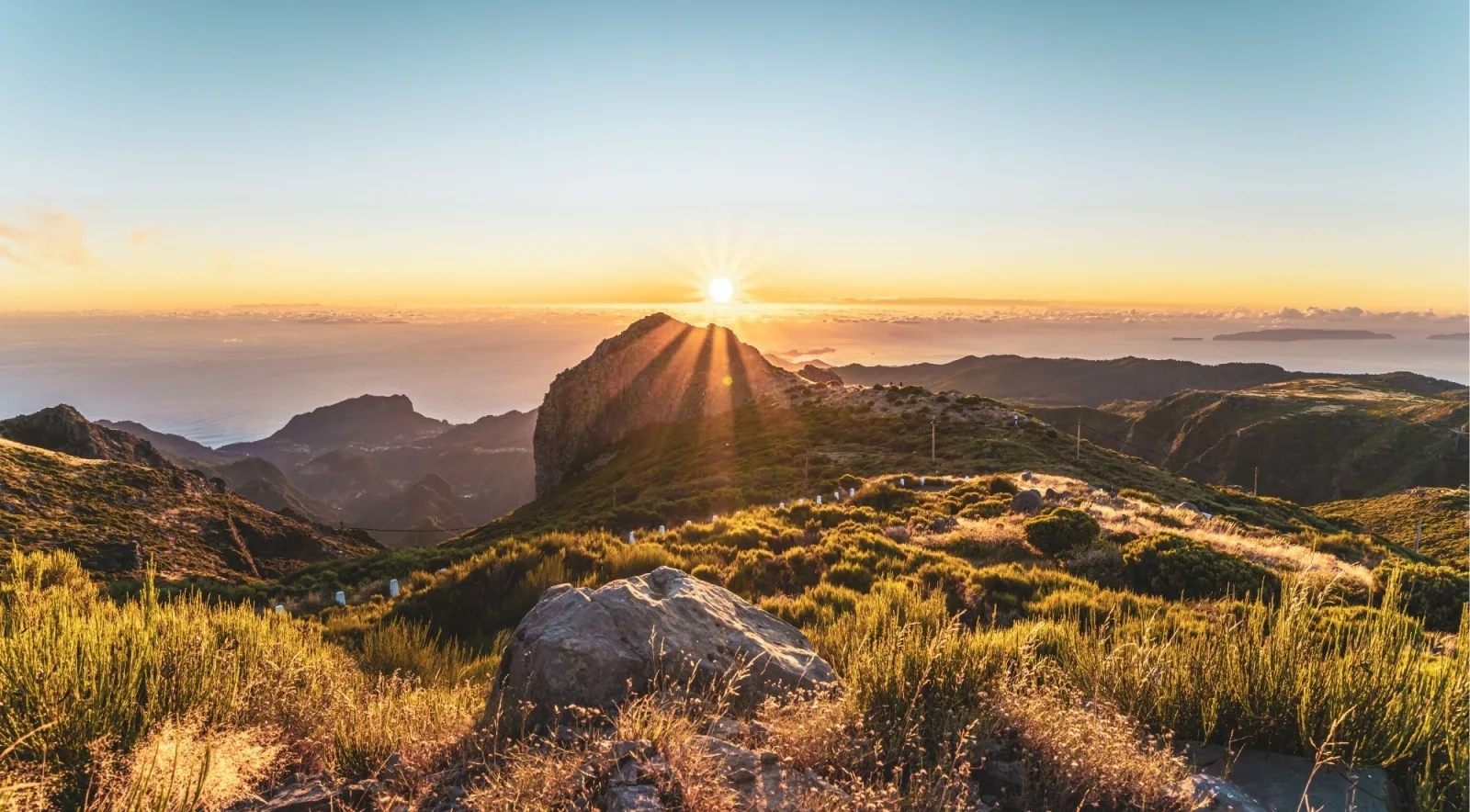
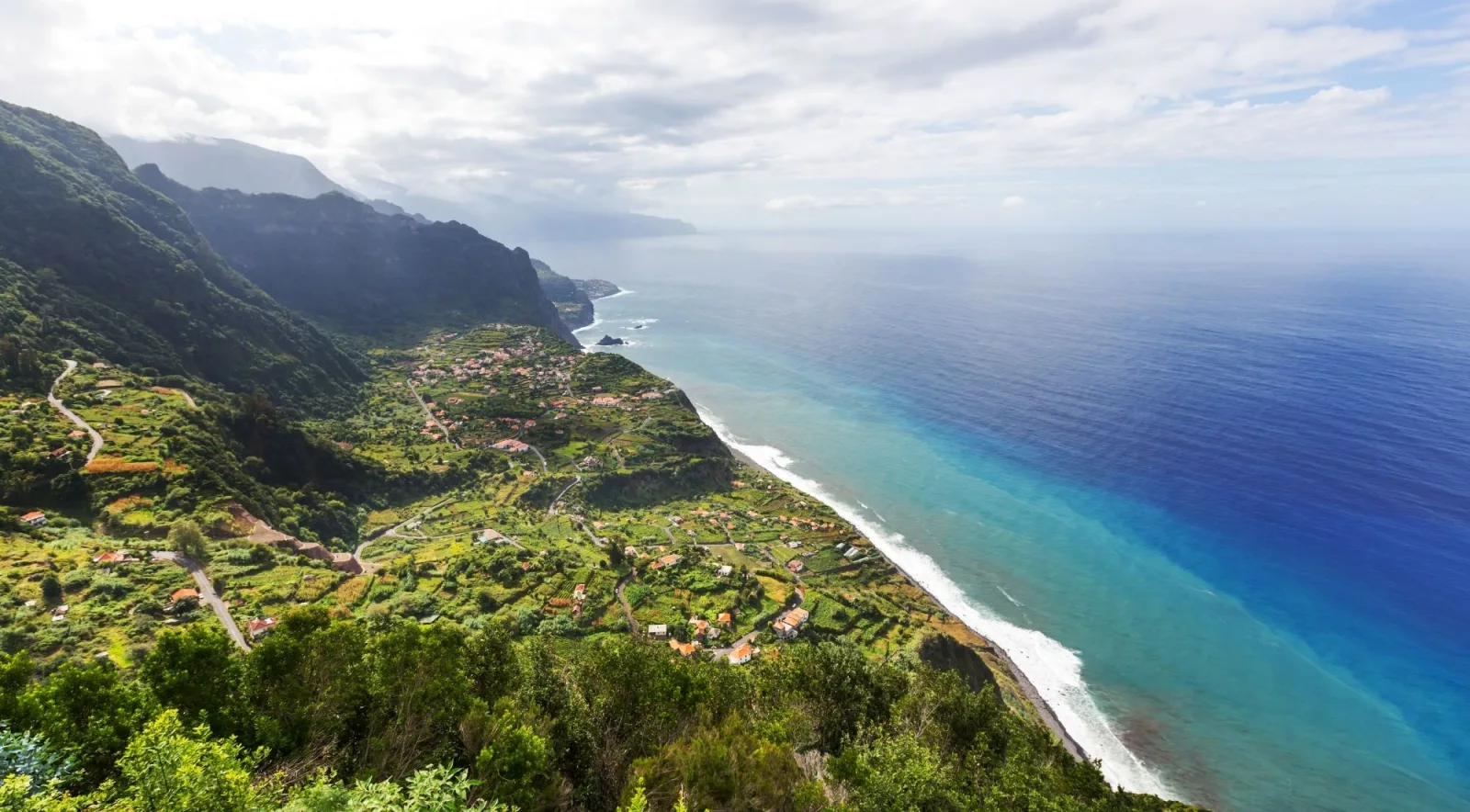
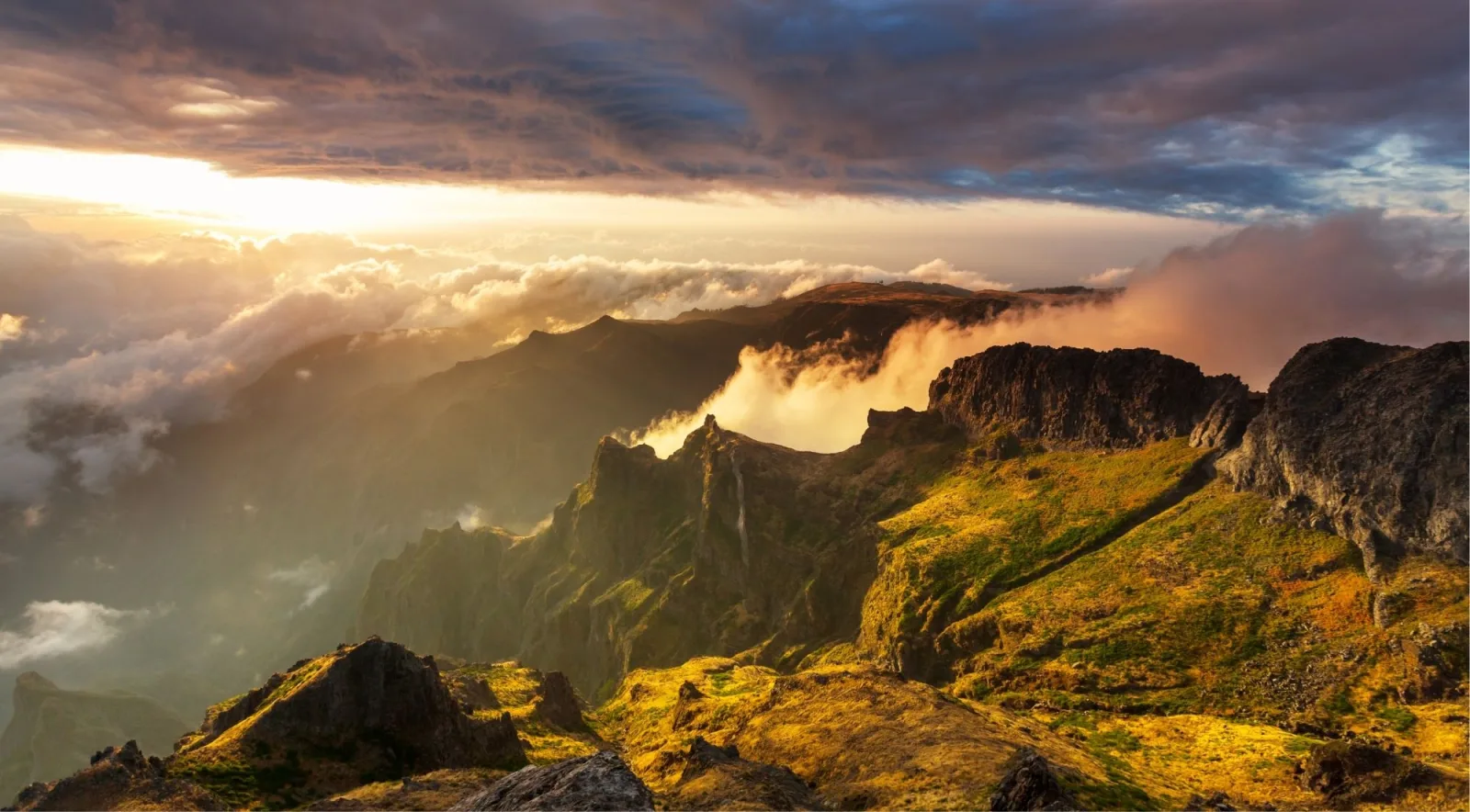
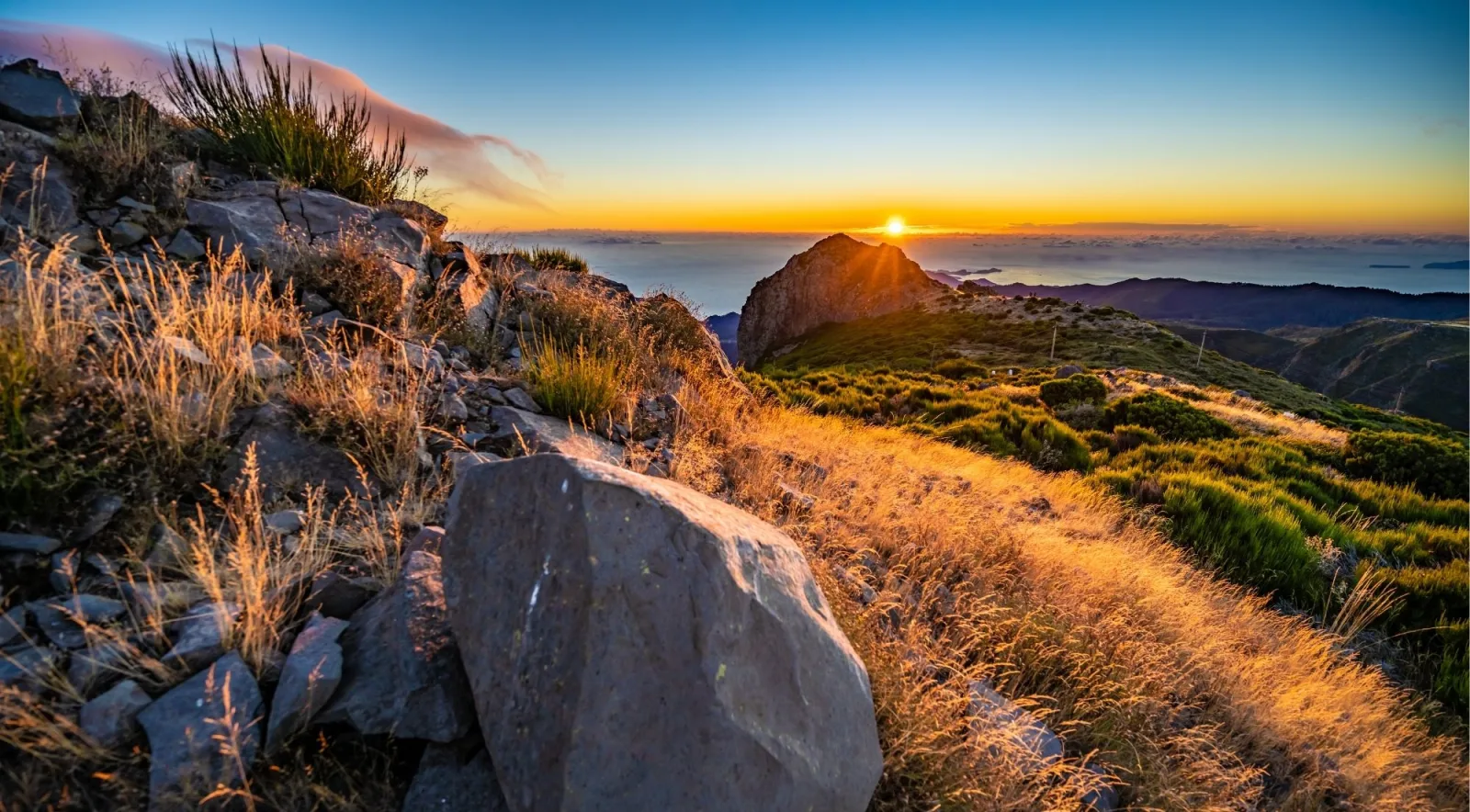
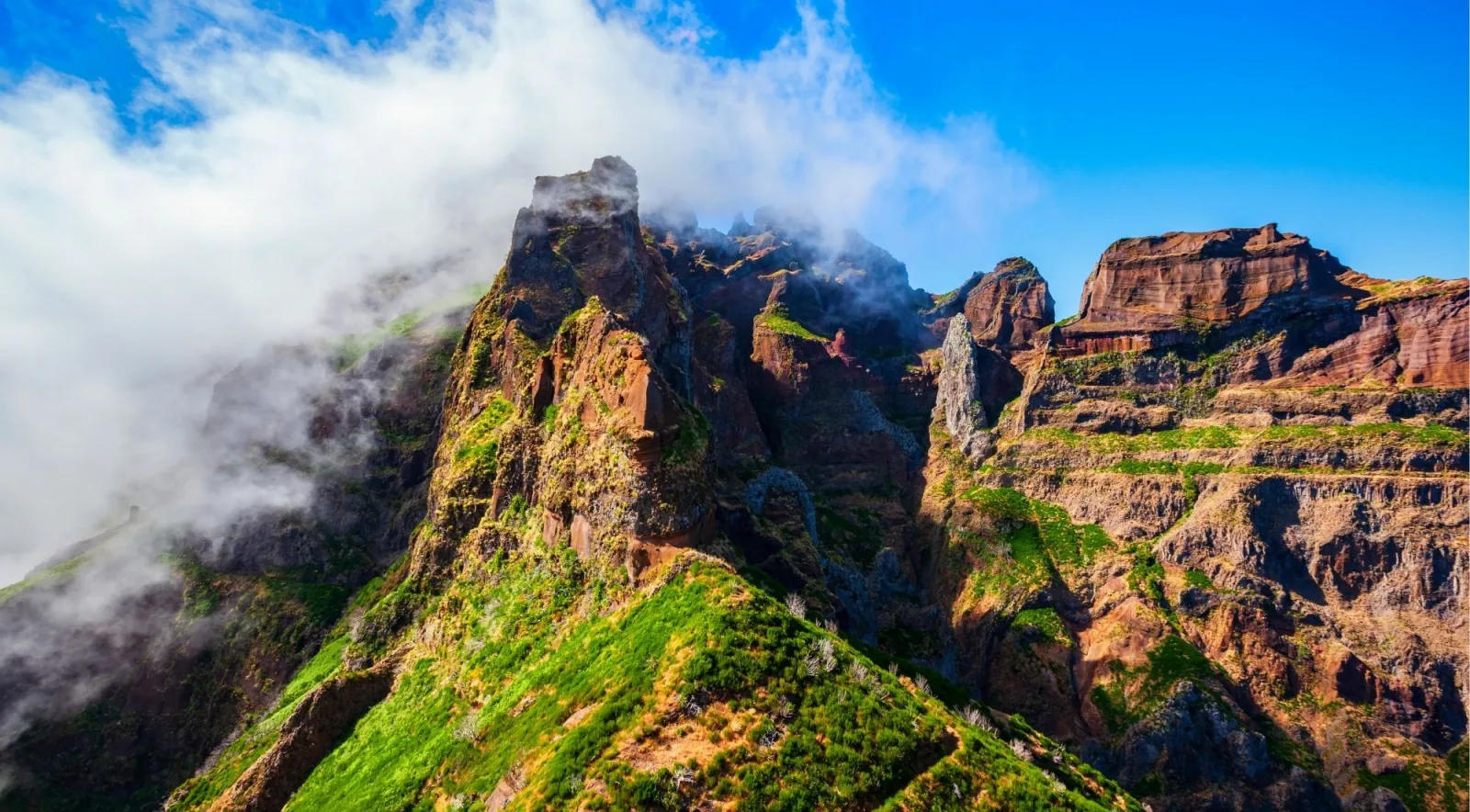
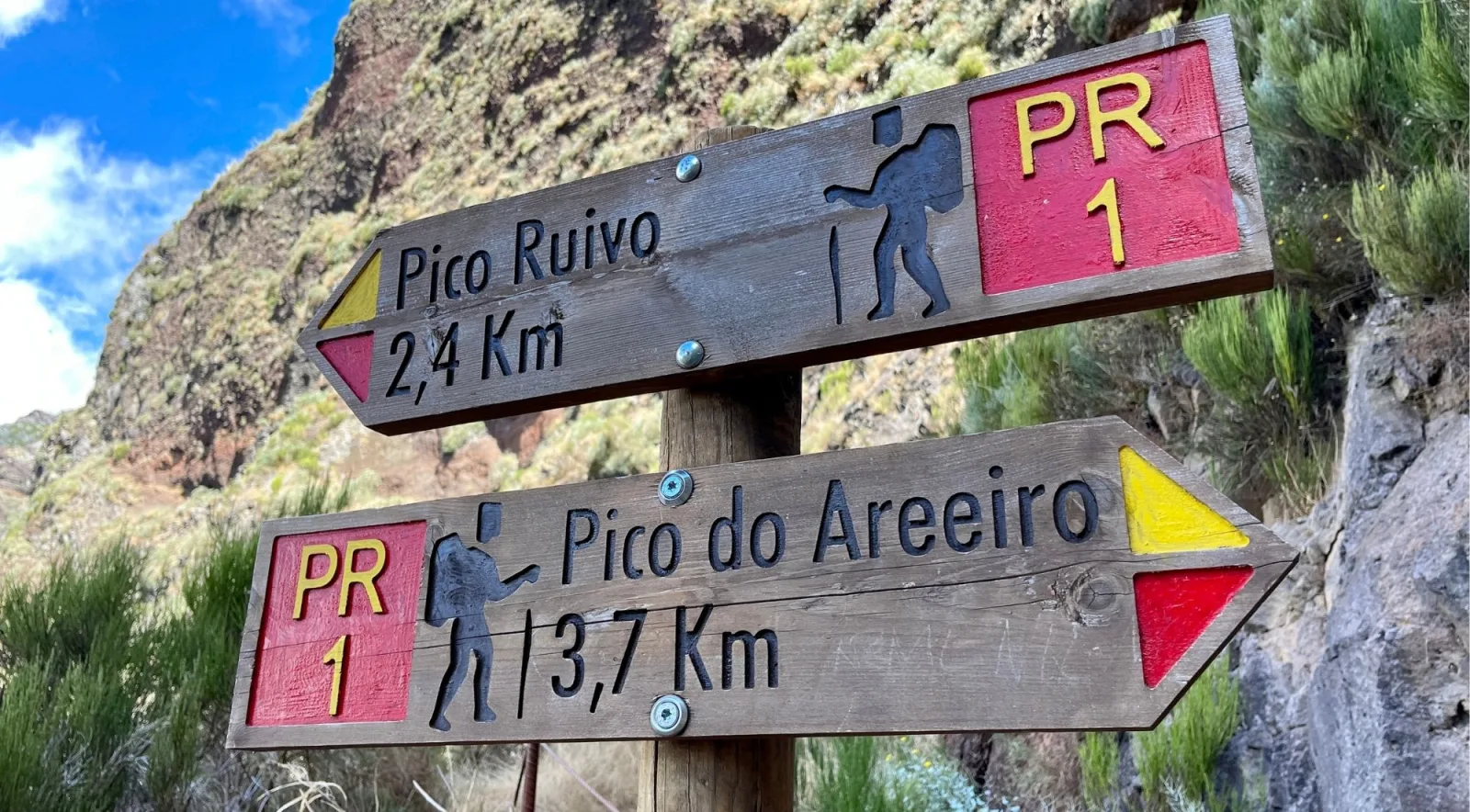
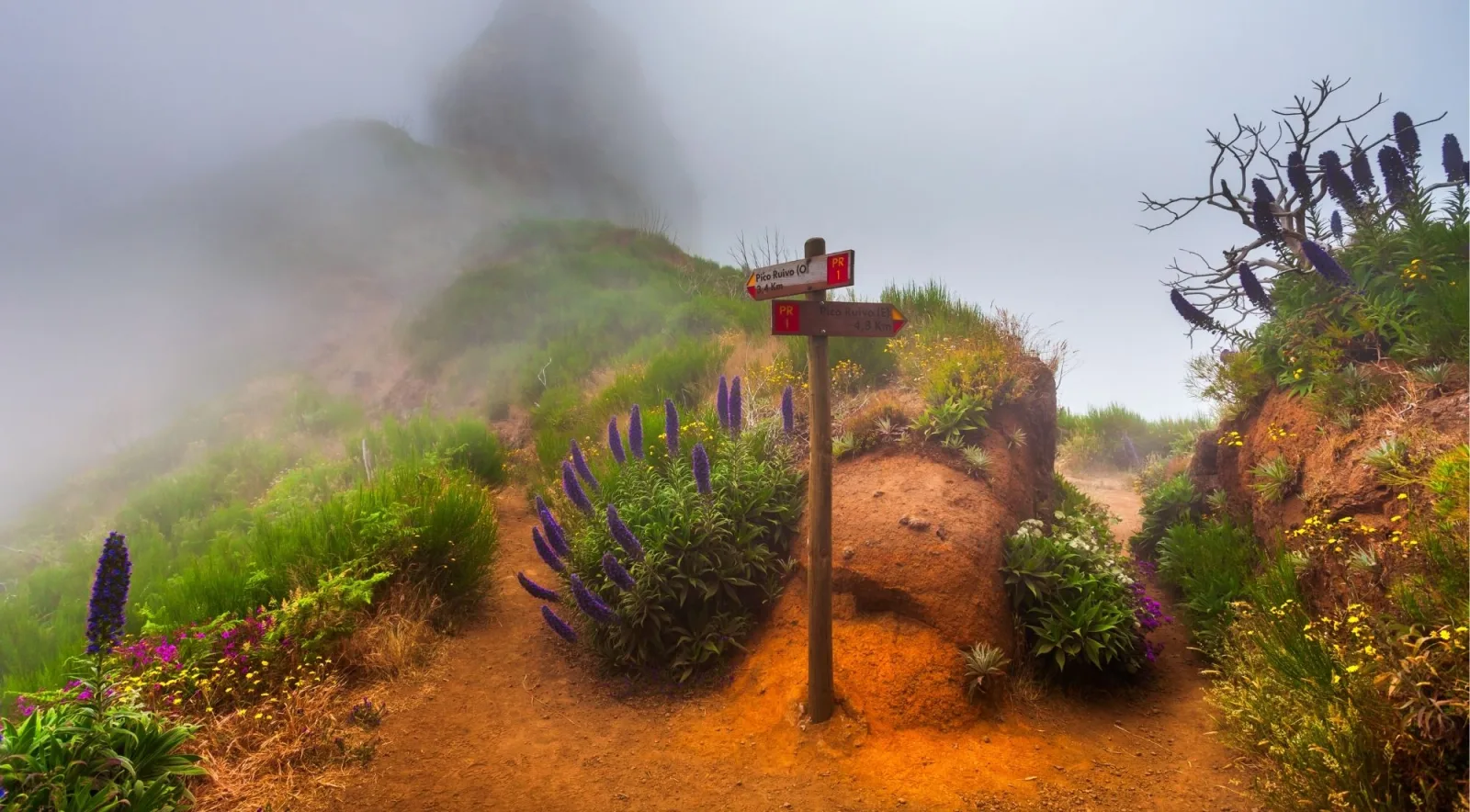
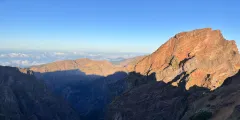
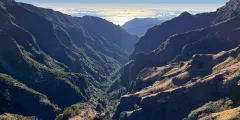
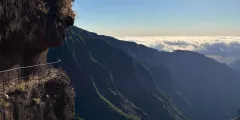
Madeira’s three highest points sit within a few kilometres of each other. Pico Ruivo is the
tallest at about 1,862 m, Pico das Torres comes next at roughly 1,851 m, and Pico do
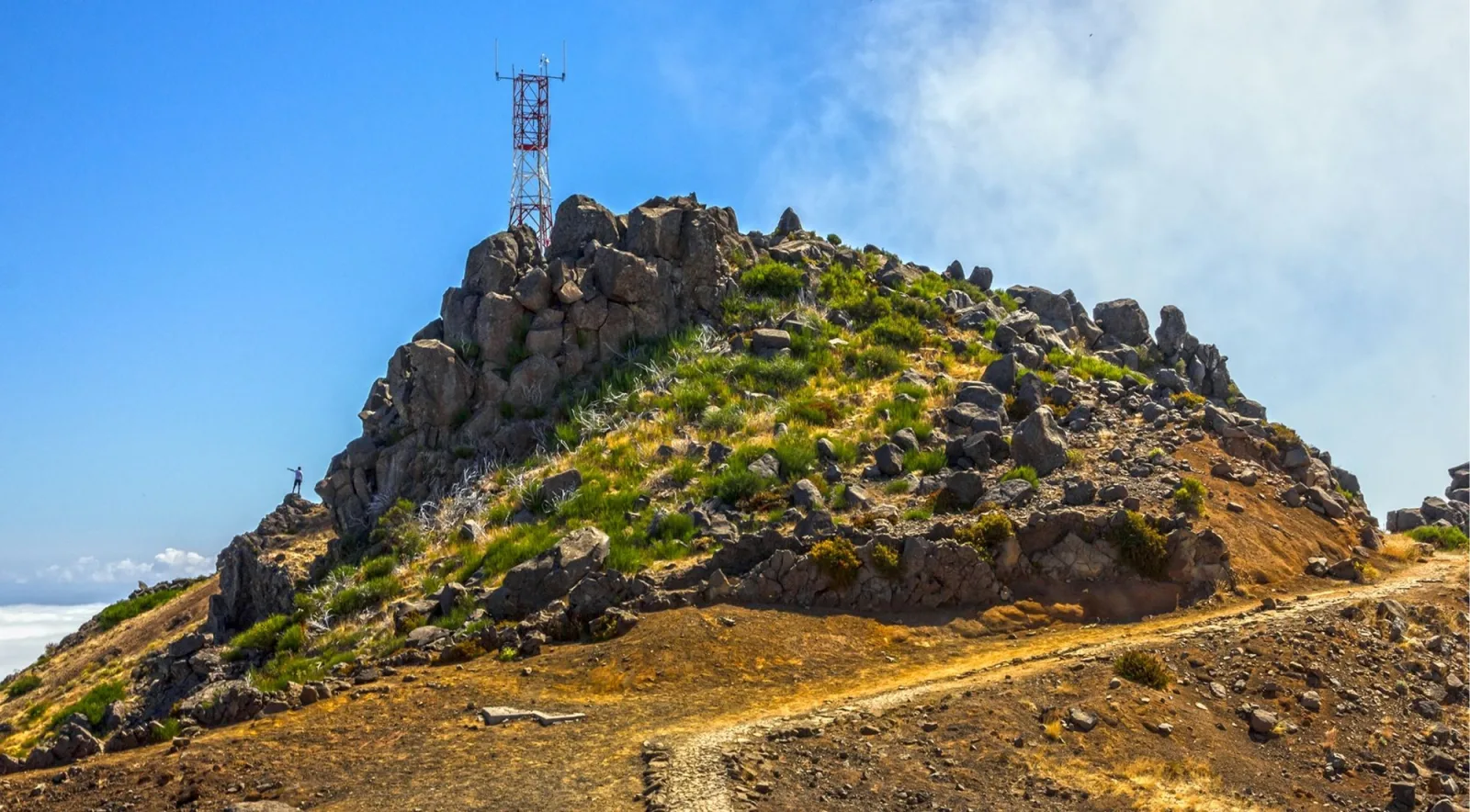
Arieiro — the one with the road, the car park and the radar dome — stands at 1,818 m. That
last detail decides almost everything about how visitors experience this mountain range. Arieiro
is the only one of the three you can drive to. Ruivo has to be walked to, and the path that links
them is the PR1 Vereda do Areeiro, the most famous hiking trail on the island.
The problem a transfer actually solves
The PR1 reopened on 27 April 2026 after roughly two years closed for wildfire damage and
safety reconstruction, and it came back changed: it now runs as a one-way, point-to-point
traverse from Pico do Areeiro to Pico Ruivo. You start at the car park at 1,818 m and you
finish somewhere else entirely — usually walking on down to Achada do Teixeira, on the far
side of the massif.
If you drove yourself, your car is now sitting at a trailhead roughly 10 km away by air and a great
deal further by road, at a mountain car park with no taxi rank and patchy phone signal. The
options are to walk back the way you came — doubling a hike that already takes most people four
to six hours, on tired legs, in the afternoon heat — or to arrange a lift. This is the entire
reason the “hiking transfer” product category exists on Madeira, and it is why a shuttle here is
not a luxury the way an airport transfer is. It is the thing that makes the point-to-point walk
possible at all. If you already have a rental car and are wondering whether you need one of these
at all, we have
weighed the transfer against driving yourself —
the answer turns entirely on where your car will be when you finish.
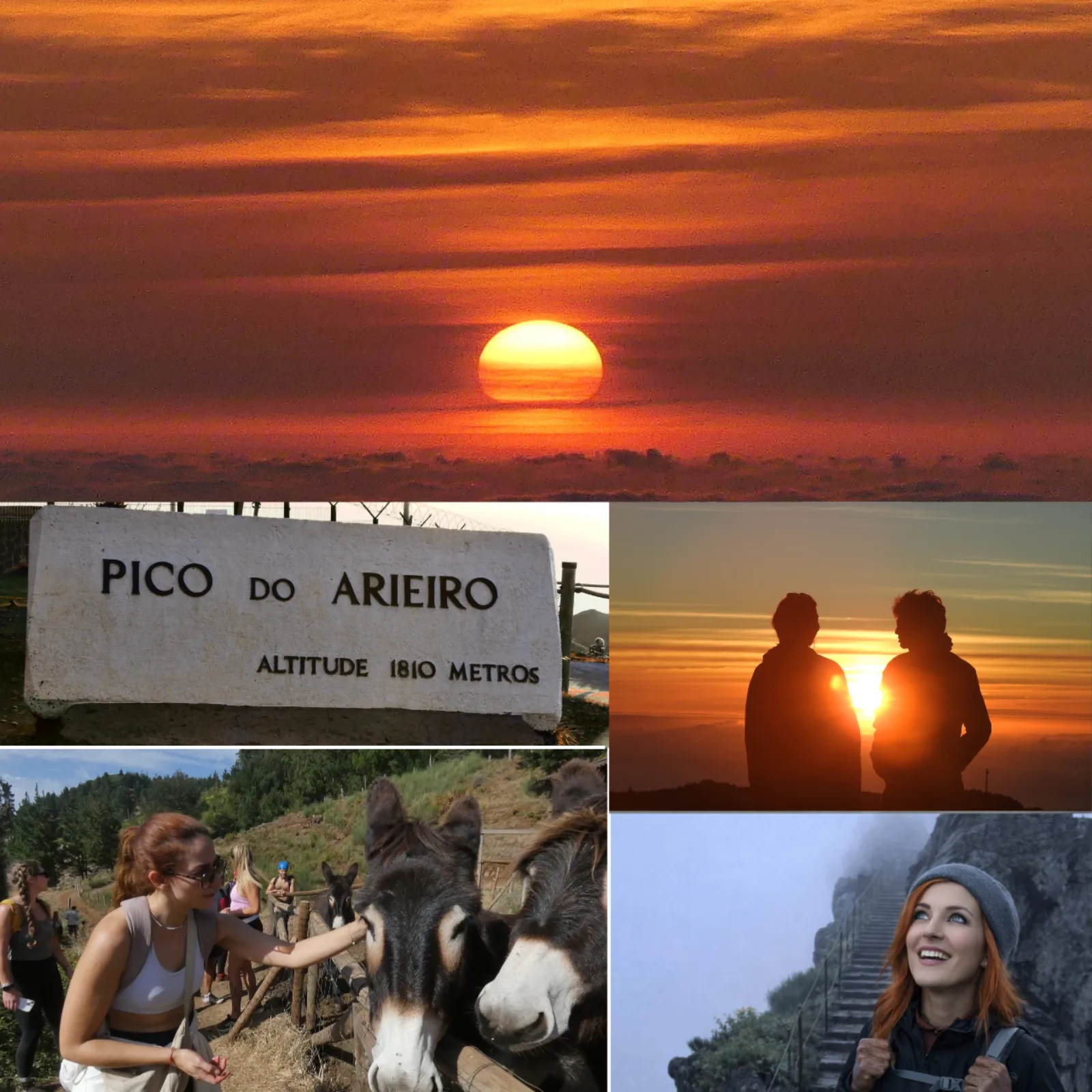
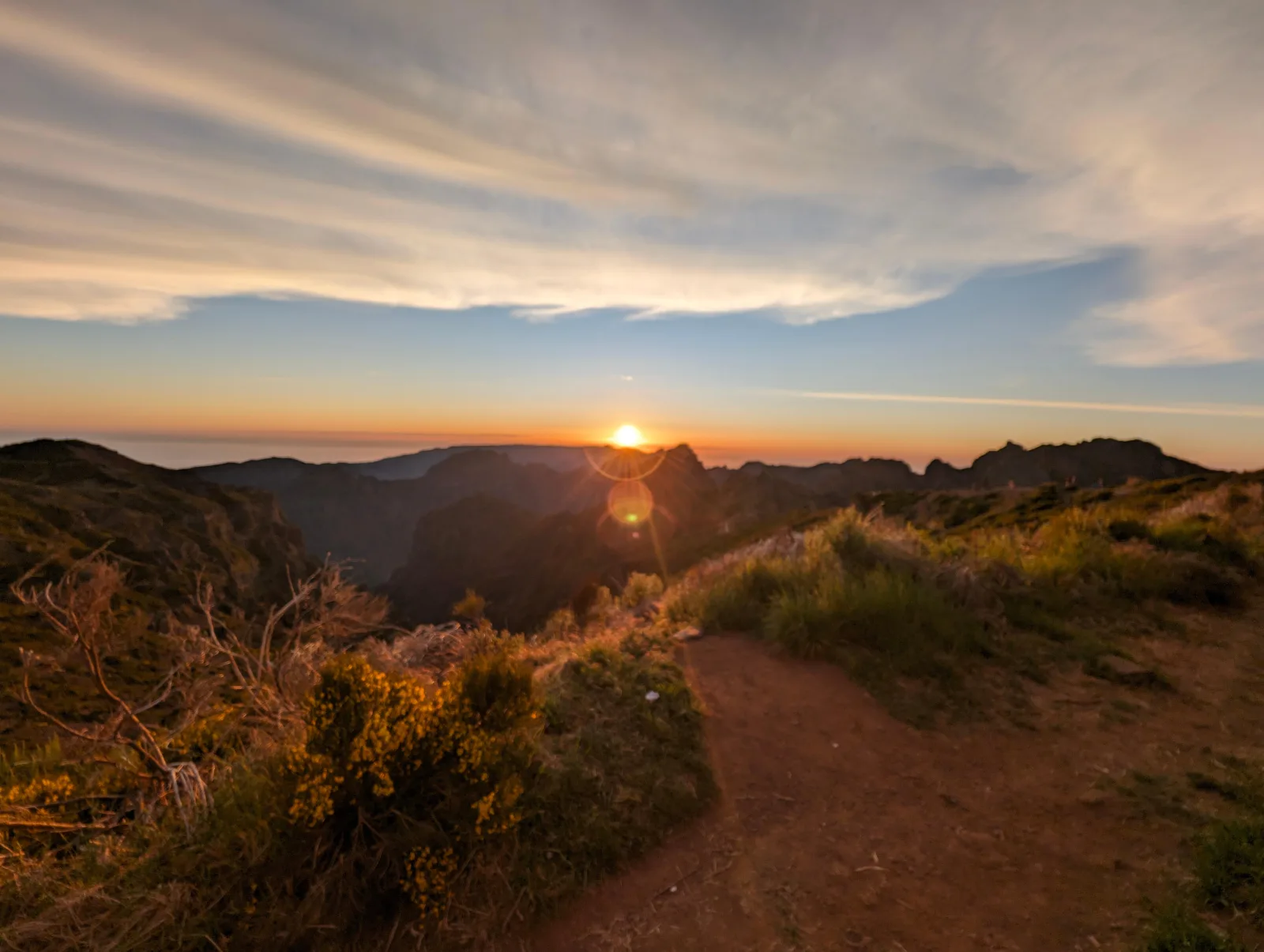
Sunrise makes the case stronger. The Arieiro car park is small, and on a clear morning it fills
well before first light with people who drove up in the dark on a narrow mountain road with
switchbacks and, very often, cloud sitting directly on the tarmac. A transfer removes the drive,
the parking gamble and the descent afterwards, when you have been awake since three. What time you
actually have to leave, and whether the first bus is early enough, is
worked out in our sunrise transfer guide. There is now
also a scheduled bus from central Funchal, twice a day in summer — our guide to
every way of getting to Pico do Arieiro has
the timetable, the €4-an-hour parking, and which option suits which kind of visit. Four separate
services get called a “shuttle” on this mountain, including a €1.20 one that never goes near
Funchal, and we have
sorted out which is which. If it is purely
a money question, we have priced the whole day out —
what a transfer actually costs against a rental car, the
parking meter and the ride back to wherever you left it.
Choosing between the tours themselves is a separate question. A shared hiking transfer for the
full PR1 costs $37 to $56 per person, a guide on the same walk starts at about $51, and a
sunrise-only trip at $39. Our guide to Pico do Arieiro tour prices
compares them and sets out what the PR1 trail fee adds.
The ticket everyone forgets
Since the 2026 reopening, access to every classified PR trail on Madeira requires a paid,
pre-booked, time-slotted reservation made through the regional government’s SIMplifica portal
at simplifica.madeira.gov.pt. Rangers check the QR code at the trailhead, there is no cash desk
on the mountain, and turning up without one means being turned away after an hour’s drive.
The fee is not one flat number, which is where most planning goes wrong. The Madeira tourism
board’s published structure is €4.50 for the general public — and for visitors accompanied by
RNAVT/RNAAT tourism operators without an IFCN protocol — dropping to €3.00 with an operator
that has one. The full PR1 crossing is priced separately and higher, at a reported €10.50,
or around €7 through a protocol operator, and it is excluded from multi-day passes. Residents
of Madeira are exempt but still have to reserve a slot.
That gap explains something confusing about the listings on this site. Operators running the
PR1.2 Vereda do Pico Ruivo route from Achada do Teixeira quote €4.50, because that is the
standard classified-trail rate. Operators running the full Arieiro-to-Ruivo crossing talk
about a different, larger figure, and several of them simply build the booking into the price or
offer to secure your slot for you. Neither is overcharging you; they are two different tickets on
two different trails. Verify the current amount on SIMplifica when you book — this is a
regulated fee and it has already changed once.
Slot timing matters more than the money. Operators are unusually blunt about it: several instruct
guests to book only the 8:00 or 8:30 morning slot, because a later entry can leave you queuing
at the checkpoint and missing your return pickup. Early slots reportedly sell out weeks ahead, and
weekday mornings are easier to secure than weekends.
Winter changes the picture. From November to February the earliest slots start in the dark, and IFCN
closes the trail at short notice for snow, ice and storm warnings. Our guide to
PR1 in winter covers the current status, refunds and
a go/no-go checklist, and Pico do Arieiro in November
sets out the summit temperatures, rain and snow risk for a late-autumn visit.
Not every “Pico do Arieiro” listing is a hike
The single most common booking mistake here has nothing to do with permits. Several of the
best-selling Arieiro products are viewpoint transfers, not hiking transfers — they drive you
up for sunrise or sunset, give you time at the miradouro and perhaps a short self-guided stroll
toward Ninho da Manta or the Stairway to Heaven viewpoint, and drive you back. Two of the
highest-volume listings on this page say so explicitly in their own terms: this is not the PR1
hike. They are genuinely good at what they do, and they are the right pick if you want the
sky without a five-hour walk. They are the wrong pick if you came for the ridge.
The hiking transfers are the ones that drop you at Arieiro and collect you somewhere else — the
sunrise hiking transfer that meets you at
Achada do Teixeira (our review covers what
recent hikers report about the weather, the permit and the return time), or the ten-hour
full traverse — or, if you would rather
start from the Achada do Teixeira side, a shuttle
between the two trailheads instead. Where each one collects you matters as much as where it
drops you — on a one-way trail it is the question that decides whether the day works, and a cheap
“one-way transfer” often turns out to cover only the ride up, which is
the half that was never hard — and the
zones differ too: some come to your door, some use fixed meeting points across the city, and some
reach Caniço and São Gonçalo while others do not. Our guide to
Funchal pickups and how a transfer day actually runs
covers the areas and the pre-dawn timings. If you are weighing the departures themselves, our
guide to choosing a Pico do Arieiro transfer
lays them out side by side — daypart, trailhead, whether the trail ticket is included,
and who each one actually suits. If the question is a shared seat or your own vehicle, note that
almost every listing here is priced per person rather than per van, which changes the group
arithmetic completely —
private versus shared, worked through.
What the walk asks of you
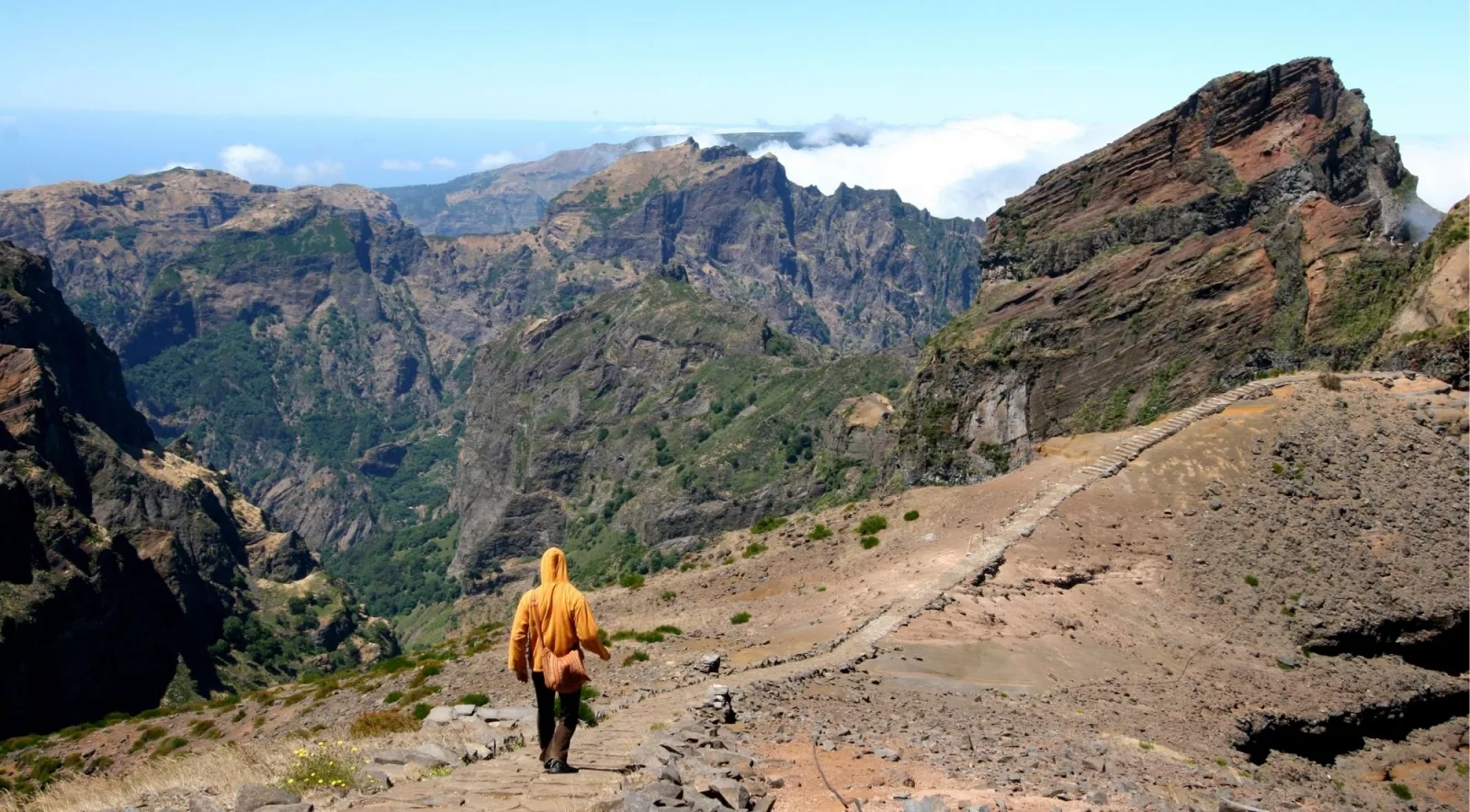
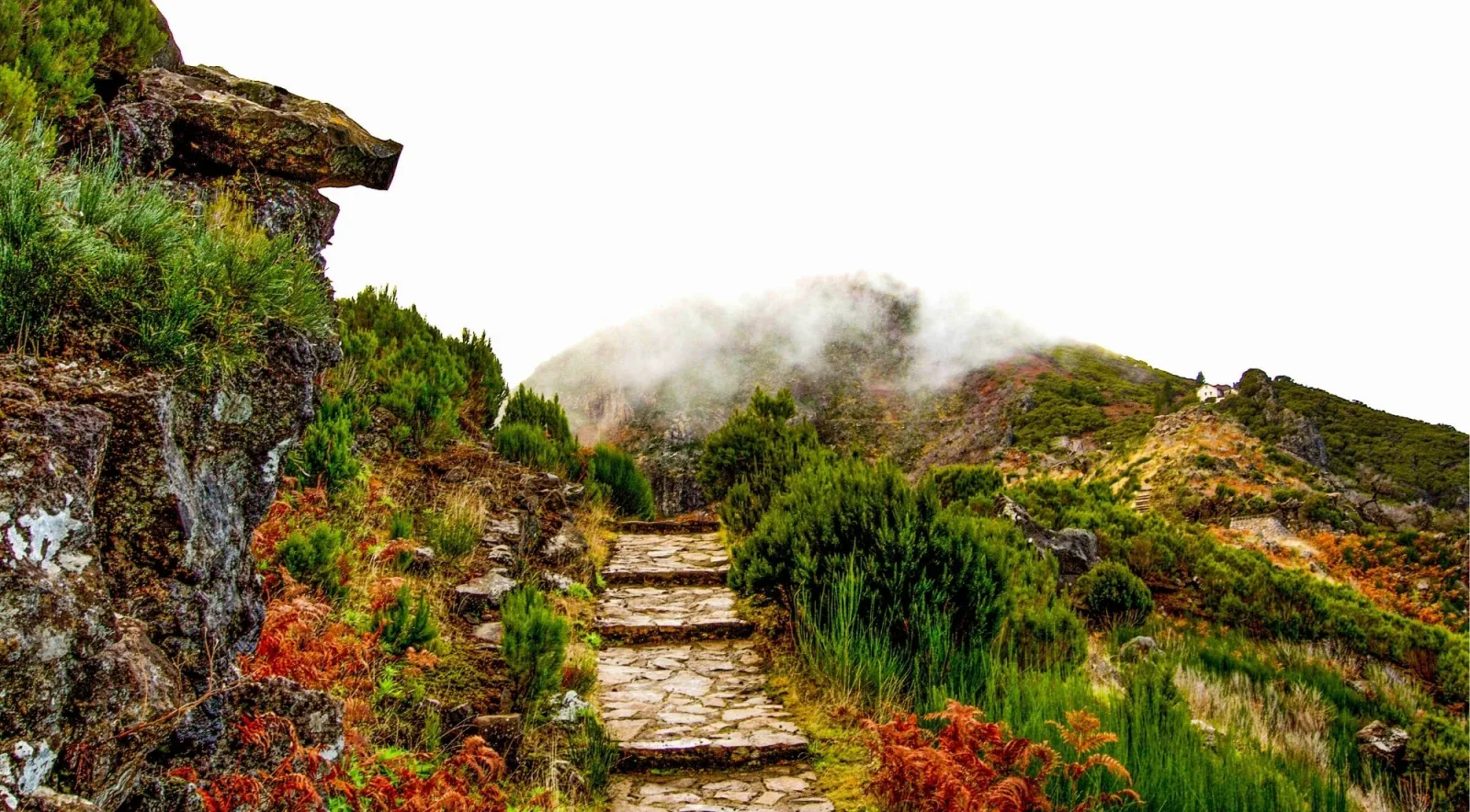
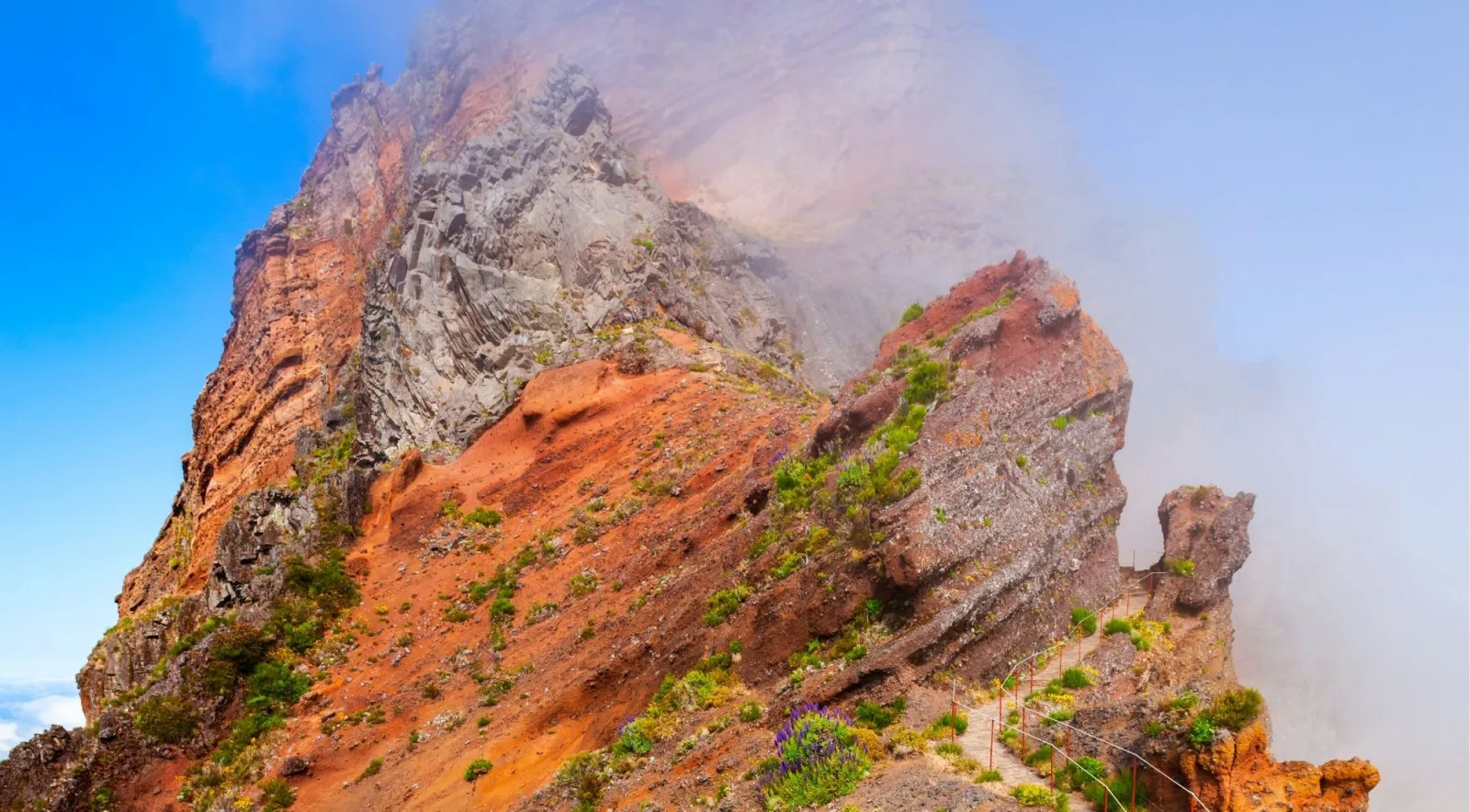
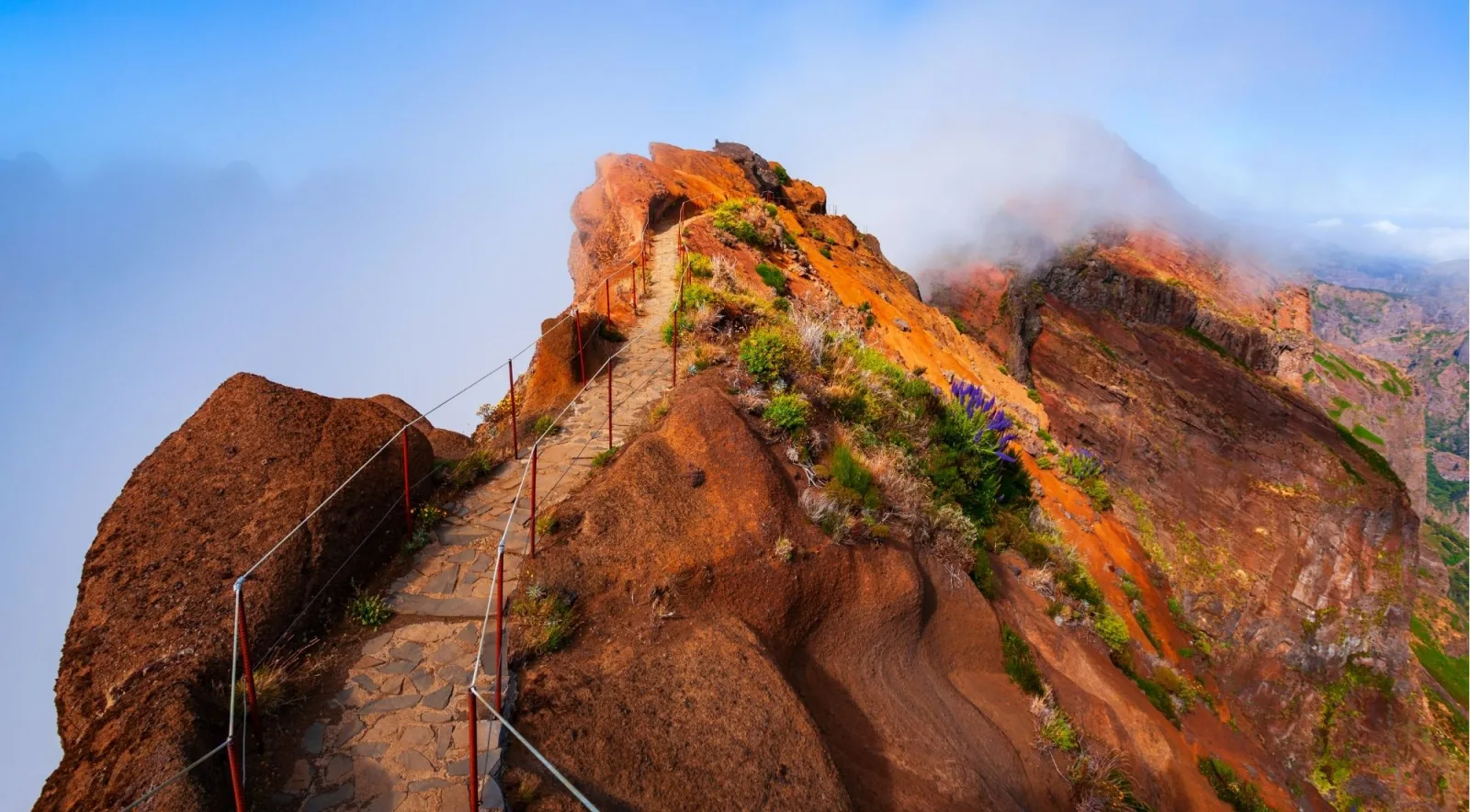
The Arieiro-to-Ruivo route is signed at about 7 km one way and takes most walkers three to four
hours at a steady pace; operators routinely quote 10 km and five hours because they route guests
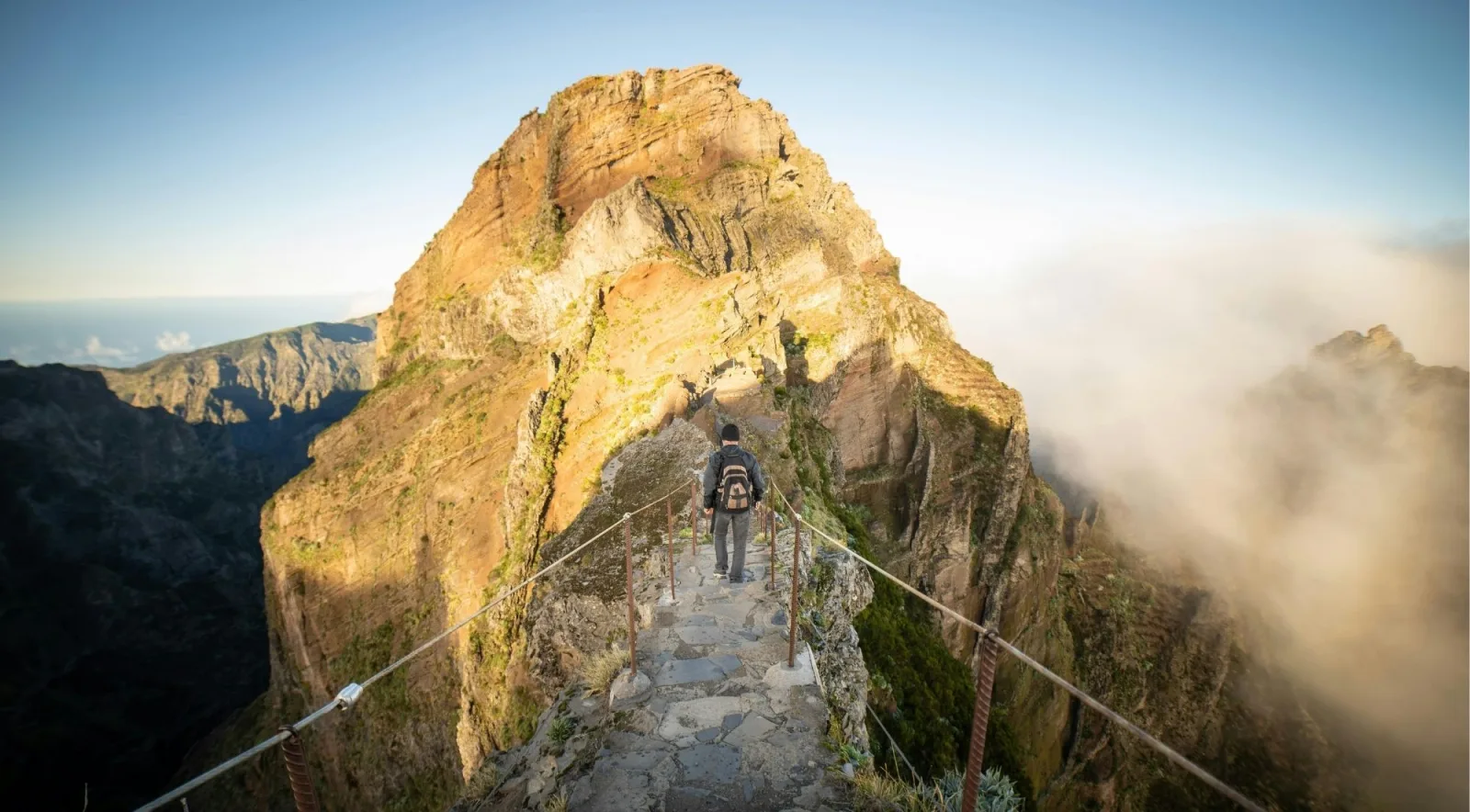
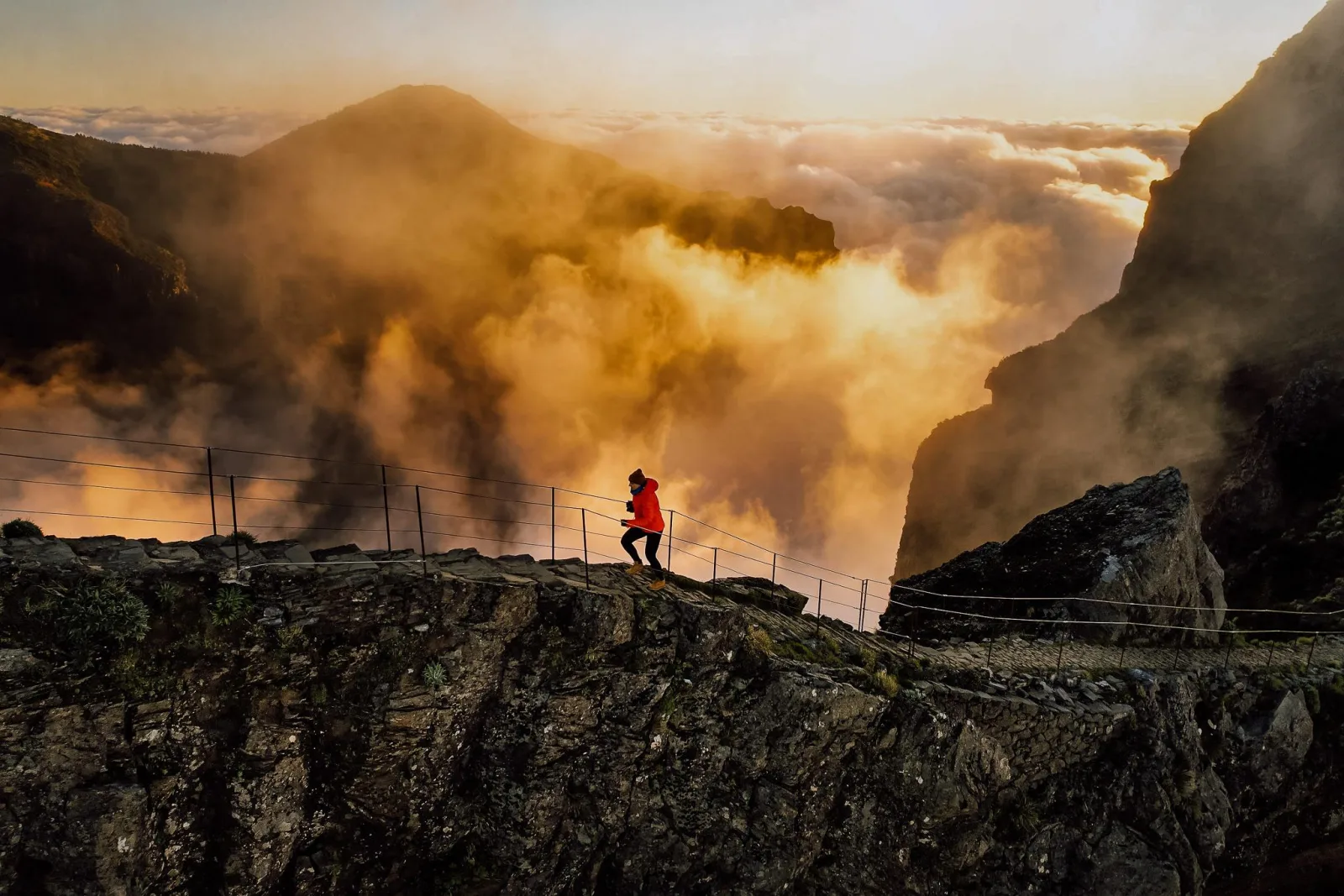
on down to Achada do Teixeira, which is where the van waits. It is a genuine mountain path with
tunnels, cut steps, exposed ridge sections and hand-cables in places, and the cumulative ascent
is significant because the trail repeatedly drops and climbs again rather than contouring.
The gentler alternative reaches the same summit. PR1.2 Vereda do Pico Ruivo climbs from
Achada do Teixeira to the island’s highest point in roughly 2.4 km each way with about 260 m of
ascent — under an hour for most people, on a broad paved path. It is the underrated way to stand
on top of Madeira, and several transfers serve it specifically.
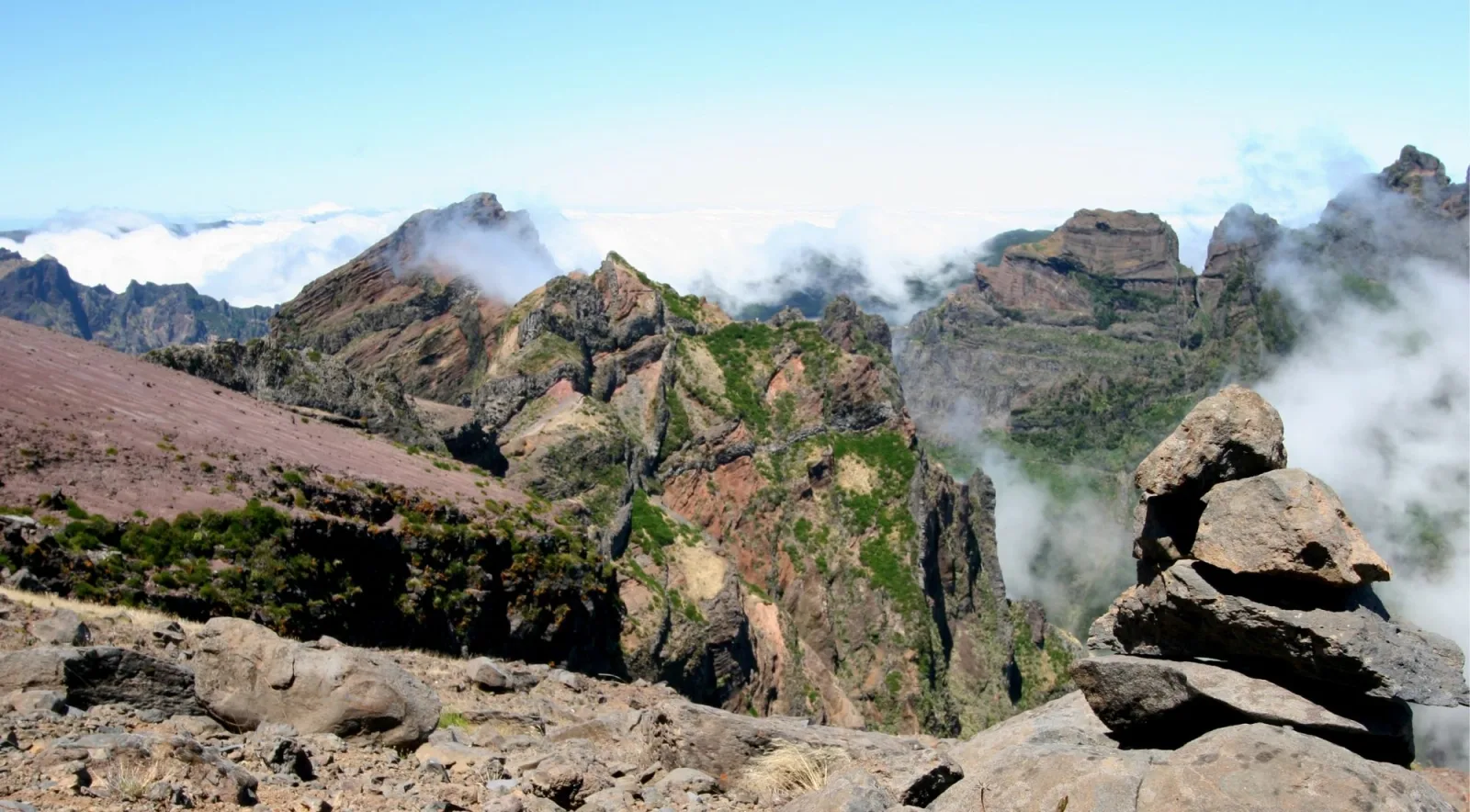
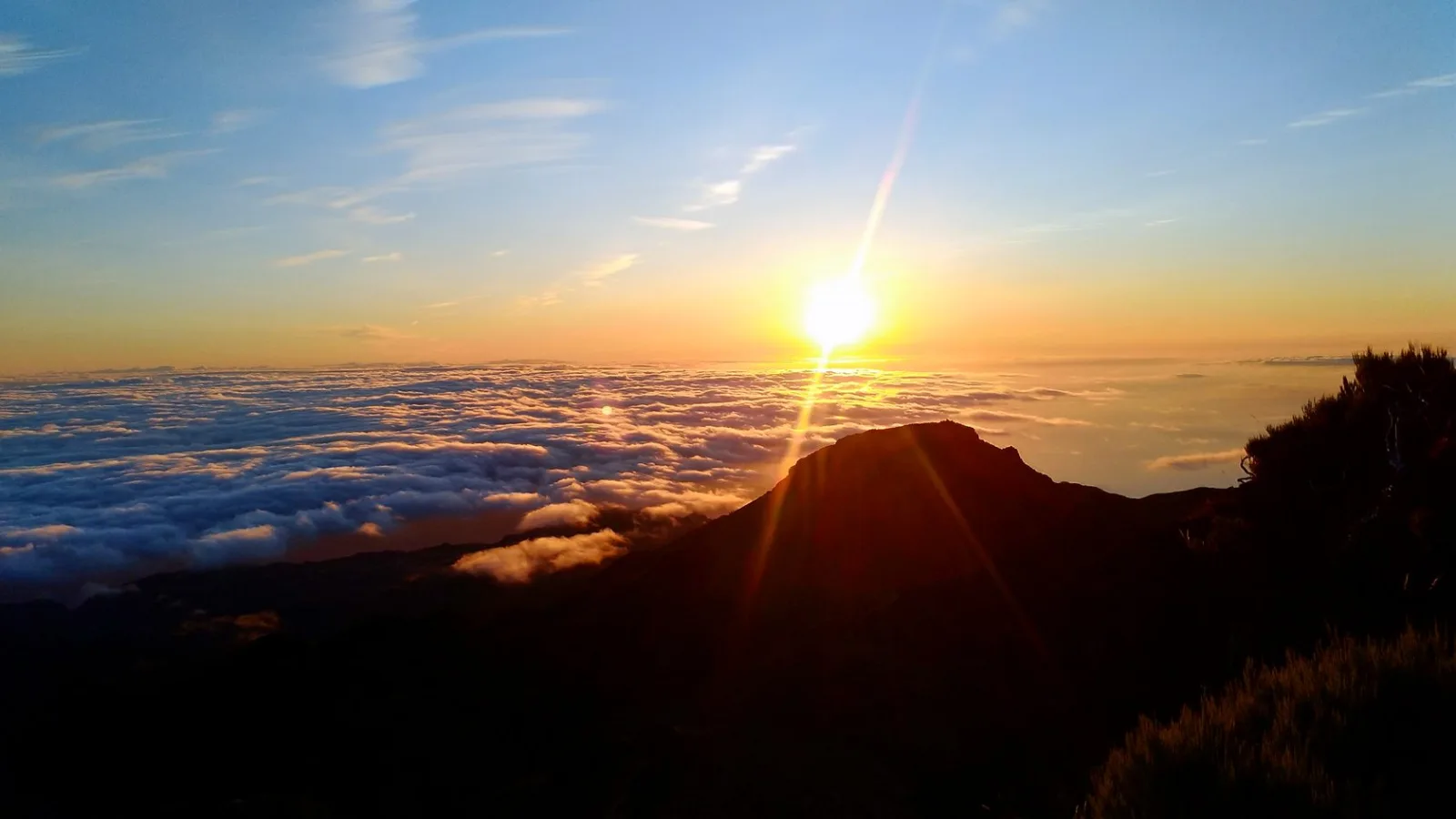
Weather is the last variable and the one no booking can control. These summits sit above a cloud
layer that is often solid below and completely clear above, which is what produces the famous
inversion photographs — and occasionally the reverse, where the mountain is inside the cloud and
there is nothing to see. Operators reserve the right to switch to an alternative viewpoint, and
most state plainly that poor visibility alone is not grounds for a refund if the trip runs. Bring
a warm layer regardless of what Funchal is doing: it is routinely ten degrees colder at the top,
and windier than anyone expects.